Ohio State mouse study ties the switch to solid foods to lifelong taste
By The Ohio DigestPublished
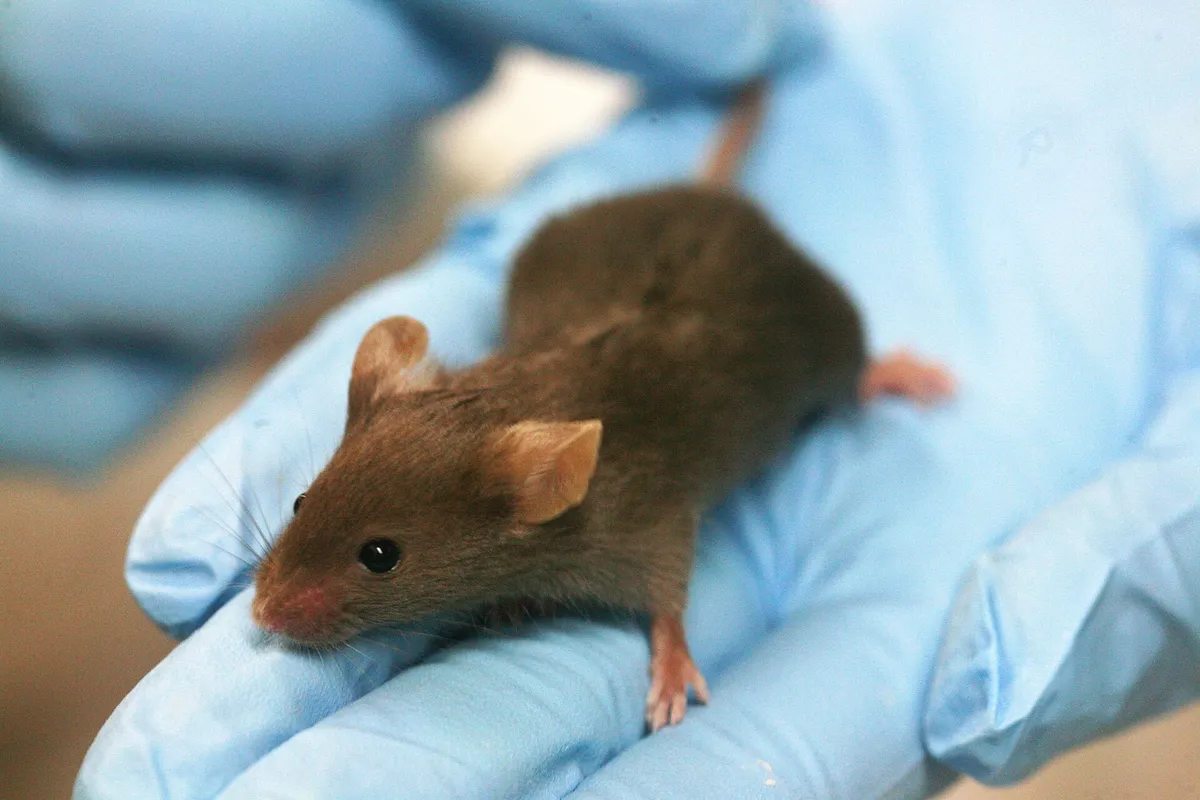
Ohio State University scientists studying mice say a baby's move off breast milk or formula and onto solid foods may be the window when a mix of flavors sets taste preferences for life.
In the Ohio State study, the team suggests the gustatory cortex, the part of the brain that handles taste, plays a part.
Hillary Schiff, the study's senior author, teaches biosciences as an assistant professor at the university's College of Dentistry. Her work asks how a child's first meals shape the growing brain and, later on, the choices that taste steers, she said.
A wide range of early food experience may pay off in adulthood, Schiff said. "If you have a lot of experience with a variety of foods, then you may, down the line, be better equipped to make healthier decisions than if you don’t have that experience," she said.
So far, the findings come from mice. Researchers still have to match when those brain changes happen in a mouse to the far longer stretch over which young children's diets shift.
In earlier experiments, mice that sampled a mix of tastes after weaning grew into adults with a stronger liking for sugar than mice kept on plain chow and water. Meeting those tastes only in adulthood didn't produce the same preference.
These days the team relies on one early food: Ensure, the nutritional drink, which delivers sweet, salty and umami flavors.
Mice that got it after weaning chose sugary water as adults, both when thirsty and when full.
Another test pointed past a simple sweet tooth. With the taste region silenced, full mice that had gotten Ensure early took an interest in Maltrin, an additive that isn't sweet.
That hints early exposure fine-tunes the palate rather than just building a craving for sugar.
Why timing matters comes down to the young brain, Schiff said. In mice, she said, inhibitory cells are more plastic in the first weeks after birth, and how they wire up depends on what the animal senses then.
"So you need to have the sensory experience during that window," Schiff said.
She presented the work as a poster on Sunday, Nov. 15, at Neuroscience 2026, the Society for Neuroscience's annual meeting.
Eden Cantrell, a student in Ohio State's Neuroscience Graduate Program, worked on both the study and the poster. Funding came from the National Institute of Dental and Craniofacial Research and an Ohio State College of Dentistry Seed Grant.
Next, Schiff said, the lab wants to pin down how and when the brain does this. "What we hope to be able to do is understand the brain mechanisms and the sensitive windows, and then determine the implications for health," she said.