Whole wheat bread cuts blood sugar spikes 27 percent in Ohio State prediabetes trial
By The Ohio DigestPublished
Swapping refined white bread for whole wheat helped people with prediabetes keep their blood sugar steadier in an Ohio State University clinical trial, and the microbes in each person's gut were tied to how much they gained.
On average, the blood sugar spike in a glucose tolerance test was 27 percent lower after the whole wheat weeks than after the weeks on white bread. Some people saw relatively small gains; others saw large ones.
More than 115 million Americans have prediabetes, with blood glucose above normal but short of the level that brings a diabetes diagnosis. Medication usually isn't part of the plan for them. They're commonly told to change their diet and exercise habits instead.
Ohio State researchers published the findings in the journal Frontiers in Nutrition, part of a push to learn why whole grains help some people far more than others.
For four weeks, the team supplied every meal to 39 people with prediabetes.
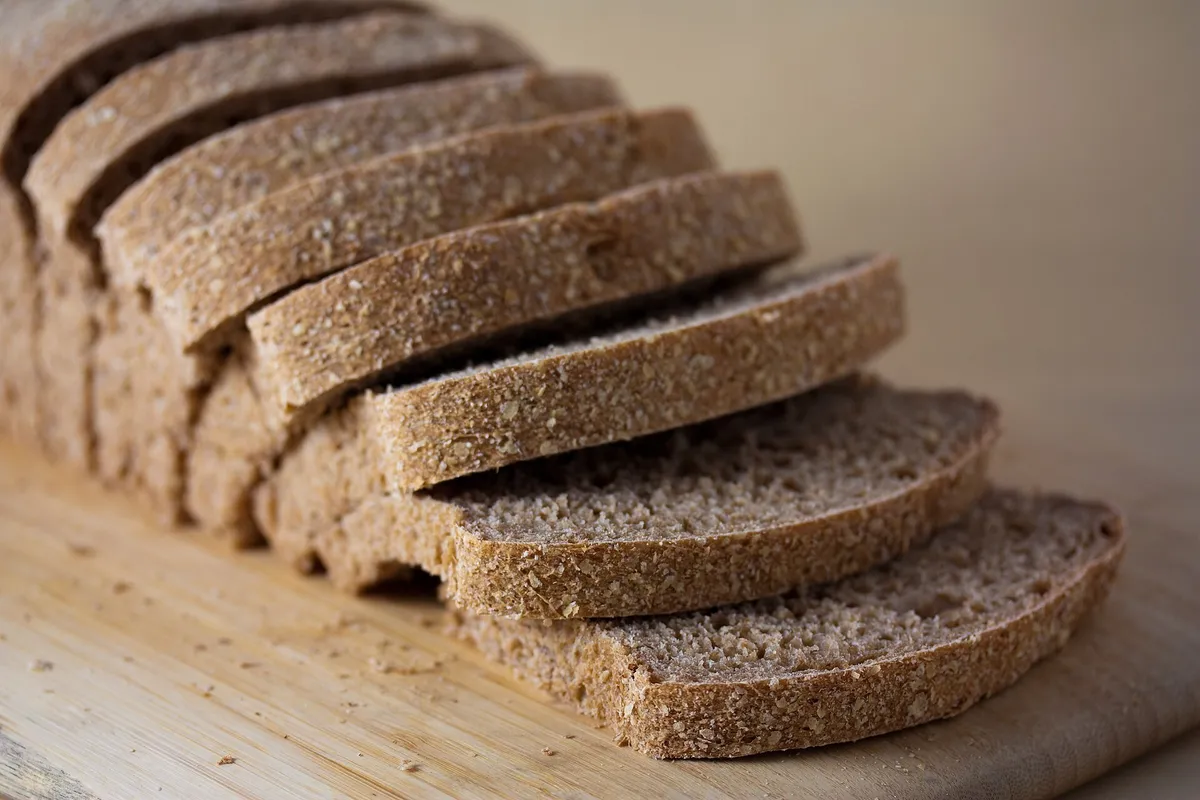
Bread was the only thing that changed. Participants spent two weeks eating refined white bread and two eating whole wheat, both baked by Ohio State food scientists, while the rest of the menu stayed put.
At the end of each two-week stretch, researchers drew fasting blood, took stool samples and ran an oral glucose tolerance test.
How each person's gut microbes shifted lined up with how much that person improved.
Those who got the most out of the wheat bread tended to carry more Agathobacter, Agathobaculum and Lachnospiraceae NK4A136 group microbes. They had fewer Streptococcus, Lachnoclostridium and Mediterraneibacter.
Richard Bruno, a professor of human nutrition at Ohio State and co-senior author of the study, said responses split widely. "Some individuals are ‘super responders,’ where they have a lot of benefits, and others have marginal responses," he said.
Bruno said the team thinks gut microbes and the compounds they make explain part of that gap.
Some of those microbes give a signal ahead of time, he said, while others turn up alongside benefits only once the diet changes. As he put it, "we have certain microbes predicting health benefits before people even change their diets."
Jillian Pierson, the study's first author and a graduate fellow in Bruno's lab, said the levels of Lachnoclostridium and the Lachnospiraceae NK4A136 group that participants carried before the switch foretold better blood sugar readings after meals.
Researchers call the approach precision nutrition. It grew out of the long-known fact that people's bodies handle whole grains in very different ways.
Jiangjiang (Chris) Zhu, a professor of human nutrition at Ohio State and also a co-senior author, runs a lab that uses modeling and machine learning to map how the microbiome changes at the molecular level.
Money for the work came from the U.S. Department of Agriculture, the Academy of Nutrition and Dietetics Foundation and the Ohio Agricultural Research and Development Center.
Zhu said the field hopes one day for a microbiome test that patients could take. For now, he said, "The work is too time-intensive and expensive to be used for patients clinically at this stage."